Shoulder dislocation and sciatica are two prevalent conditions that affect many people in the UK. When you have a dislocated shoulder, it comes with pain and the inability to move your arm. Sciatica, on the other hand, causes shooting pain from the lower back to the leg. This pain can make it hard to work, sleep, and do things you do every day.
You don’t have to worry about these two conditions because you can manage them with the right treatments and therapies. There are safe and effective ways to manage the pain and speed up your recovery.
In this guide, we’ll take a closer look at shoulder dislocation and sciatica, and we’ll go over helpful strategies that can help you move toward a healthier, pain-free life.
Shoulder Dislocation and Nerve Pain: A Treatment and Recovery Guide
A shoulder dislocation is a common orthopaedic injury that happens when the upper arm bone (the humerus) slips out of the socket in the shoulder blade. This usually occurs after a fall, accident, or sports injury and requires a closed reduction procedure.
During the procedure, a healthcare professional carefully moves the humerus bone back into its socket to help you restore your proper alignment. This procedure is painful and, as such, it is done under sedation or anaesthesia to ensure the patient is comfortable and help reduce their pain.
Once the closed reduction is done successfully, they will place the shoulder in a sling or brace to limit the patient’s movement. This step allows the ligaments and soft tissues around the joint to heal.
After the shoulder is put back in place, the next step is rehab exercises. This stage is all about being able to move the shoulder again. Doctors or therapists can recommend activities such as stretches, exercises, and specific moves to target the shoulder. If you want to reduce future occurrences, you have to consciously build the small muscles around the joint, especially the rotator cuff, and ensure the area is flexible.
It’s also common for people who deal with shoulder problems to notice other issues, like nerve pain. One of the most talked about ones is sciatica. This happens when the main nerve that runs from your lower back down your leg is squeezed or irritated. When that happens, the pain can move down your leg, causing tingling or numbness. In some cases, your leg might even be weak or difficult to move.
Sciatica treatment depends on its severity. In most cases, they can try a few things, such as medicine, physical therapy, or lifestyle changes.
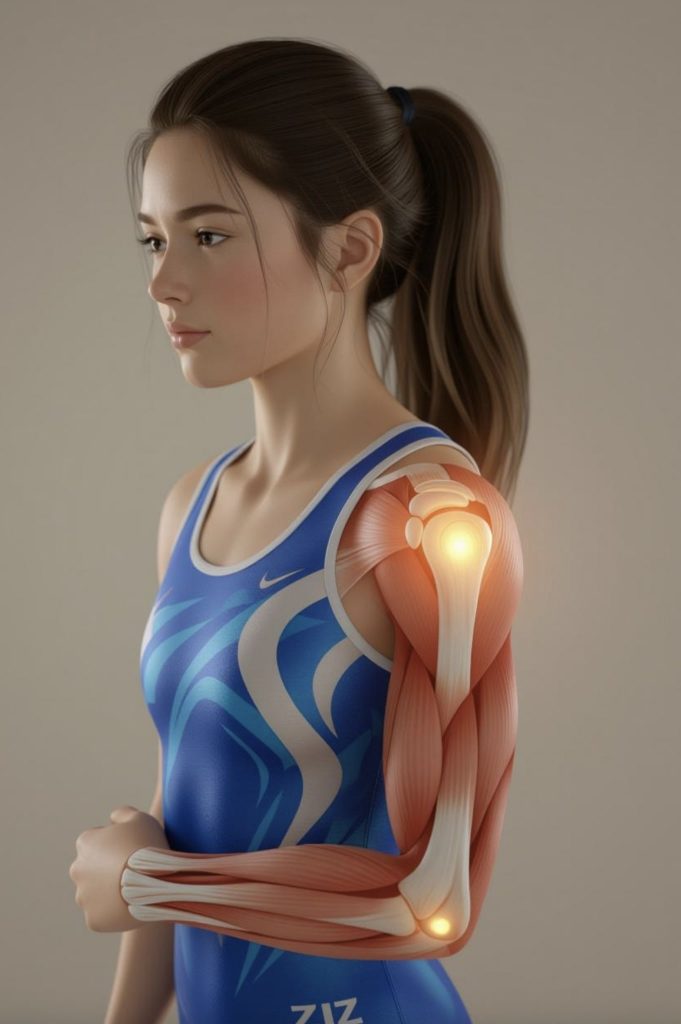
What is a shoulder dislocation?
Your shoulder is built kind of like a ball sitting in a small cup. The ball is the top part of your upper arm bone, and the cup is part of your shoulder blade. When that ball slips out of the cup, that’s what doctors call a dislocated shoulder. Because the cup is not very deep, the shoulder can move in many directions. But that also means it’s easier for the ball to slip out of place compared to other joints in the body.
When the ball slips out, that’s what doctors call a dislocation. Sometimes this happens when someone falls, gets injured while playing sports, or tries to lift something heavy the wrong way. Even a sudden pull or a brutal hit can make it worse. It’s essential to know what kind of dislocation it is because that helps doctors figure out the right way to treat it and get the shoulder back in place.
Shoulder Dislocation: Info & Strategies
When your shoulder dislocates, it can be painful and difficult to move your arm. This is why doctors inquire how it happened and where the pain is before deciding on the type of treatment you will need.
1. Understanding the Types of Shoulder Dislocations:
- Anterior dislocation: the most common type of dislocation. It usually happens during sporting activities or when someone falls. It is common among the younger generation because they tend to move around a lot and take more risks. Although older adults can have it too, because their joints are not as strong as they once were.
- Posterior dislocation: This is not a common type of dislocation. It can come from seizures, electric shocks, or a hard twist of the arm. It can be partial or complete, depending on the severity of the twist or fall.
- Inferior dislocation: very rare. It happens when something pushes the arm too far upward or when a strong hit forces the ball out of the socket.
2. Symptoms and Diagnosis:
- You can easily notice when this happens. The arm feels weak or goes numb, and the shoulder might look out of place. The shoulder itself may swell up, look bruised, and the pain is usually very sharp. In a lot of cases, even trying to move the arm hurts so badly that people can’t do it.
- For diagnosis, doctors start with how the injury occurred, then perform a physical examination and X-ray, and finally, an MRI or ultrasound if needed.
3. Strategies for Dealing with Shoulder Dislocations:
- Positive affirmations: A patient’s mindset is more important than people think. Believing in your body’s ability to recover can aid the healing process.
- Get medical help quickly: If you notice any signs of shoulder dislocation, go to the doctor immediately. The earlier they check it, the better for you.
- Exercise after treatment: Once the shoulder is back in its socket, the next thing is to start rehab immediately. A physiotherapist begins the gentle stretches and exercises that strengthen the shoulder and reduce the risk of future recurrence.
4. Motivational Quotes:
- “Strength doesn’t come from what you can do. It comes from overcoming the things you once thought you couldn’t.”
- “Your body is strong and resilient. Trust in the healing process and take steps towards recovery daily.”
With the right attitude, good medical care, and regular exercise, a dislocated shoulder can be treated. Although healing takes patience, it’s very possible. Believing that you’ll recover and actually sticking with the treatment plan can help the healing process. When people trust the process and keep up with their exercises, the shoulder usually heals, and the risk of recurrence is much lower.

Treating Shoulder Dislocation and Nerve Pain
Shoulder dislocation is a common injury that can be treated in the following ways:
- Closed reduction: This method involves carefully returning the shoulder joint to its socket.
- Immobilisation: After the shoulder is fixed, it is placed in a sling or brace to prevent movement while the tissues heal.
- Rehabilitation: Physical therapy and regular exercise can also help.
- Surgery: If the problem is worse or keeps coming back, surgery may be necessary to stabilise the shoulder joint.
- Medicine: Painkillers can be given to help with pain during recovery.
Sciatica, or nerve pain, is another common type of pain. This kind of pain occurs when the sciatic nerve in the lower back is compressed or irritated. Sciatica can cause:
- Weakness
- Numbness
- Burning or tingling feeling
- Difficulty moving the foot and leg
To successfully manage sciatica, you will need exercise, massage, and, in severe cases, surgery. Dr Jeffrey N. Katz, a professor of medicine and orthopaedic surgery, points out that treating chronic back pain early is essential to prevent nerve-related problems like sciatica.
Shoulder Dislocation: Treatment and Recovery Journey
Shoulder Dislocation Treatment:
If you dislocate your shoulder, the first thing you need to do is get medical help immediately to reduce pain and lower your risk of further problems. The first step is usually a closed reduction, where a doctor gently puts the shoulder back into place. It can be uncomfortable, but it’s necessary to stabilise the joint and reduce the chances of it happening again.
Nerve Pain Management:
After a shoulder dislocation, there is a tendency that you will also deal with nerve pain. This happens because the nerves around the joint may get stretched or pressed during the injury. There are many ways to manage it when such a thing happens. Doctors may prescribe medication or, in some cases, use nerve blocks to ease the pain.
On top of that, adding physical therapy and some stretching exercises can help you quickly recover. They calm the nerves and reduce the pain. You don’t have to be afraid; with the proper care, the shoulder can return to normal.
Sciatica Symptoms and Treatment:
It is difficult for you to recover if you suffer from both sciatica and shoulder dislocation at the same time. This is because sciatica causes pain from the lower back down to the leg. The treatment includes medicine and exercises that improve your posture and align your spine. These treatments address the cause of sciatica rather than just treating the symptoms.
Rehabilitation Exercises for Shoulder Dislocation:
One of the most essential keys to healing after a shoulder dislocation is doing the right exercises. These movements are meant to make the muscles around your shoulder stronger and keep the joint stable. Some common exercises include gentle shoulder stretches, rotator cuff strengthening, and drills to improve the way your shoulder blade (scapula) supports movement. When you stick to these exercises, they can speed up your recovery and reduce the chance of future occurrences.
Importance of Physical Therapy in Recovery:
Physical therapy is one of the most critical steps to healing after a shoulder dislocation. This is why you need a trained therapist who can guide you back to good health. These sessions help rebuild your shoulder muscles and boost your confidence in using your arm again, without worrying about another injury.
Physical therapy and other treatments are what you need to recover because they help people overcome the pain of dislocation. Taking a comprehensive approach, including exercises, therapy, and healthy lifestyle changes, can make a big difference. Remember, proper care at the right time can lead to less pain, better mobility, and a return to a more active, pain-free lifestyle.